How I Finally Made Flexibility a Daily Win—No Gym Required
Ever feel stiff when you wake up, like your body forgot how to move? I did too—until I stopped treating flexibility like a workout and started seeing it as a lifestyle. It’s not about touching your toes; it’s about moving freely, pain-free, through everyday life. Turns out, small consistent moves make a big difference. This is how I upgraded my body’s fluidity—and how you can too. Flexibility is not reserved for yoga instructors or elite athletes. It is a foundational element of daily wellness, deeply tied to how we feel, move, and age. For many women in their 30s to 55s, the demands of family, work, and personal responsibilities often push physical well-being to the bottom of the priority list. Yet stiffness, discomfort, and restricted movement quietly accumulate. The good news? Real change doesn’t require hours at the gym, expensive equipment, or perfect form. It begins with understanding what true flexibility means and integrating small, intelligent movements into the rhythm of your day. This journey is not about performance—it’s about reclaiming ease, comfort, and autonomy in your own body.
The Hidden Cost of Being Stiff
Stiffness is more than just an inconvenience—it’s a signal. Many women in midlife begin to notice it first thing in the morning: a creak in the lower back when standing up, tight shoulders that resist reaching overhead, or hips that protest when climbing stairs. These sensations are not simply signs of aging; they reflect how daily habits shape the body over time. Prolonged sitting, repetitive movements, and lack of dynamic motion contribute to shortened muscles and reduced joint range. Over months and years, this leads to postural imbalances—rounded shoulders, forward head position, or a flattened lower back—that place strain on the spine and surrounding tissues. Poor flexibility doesn’t just affect how you move; it impacts how you feel throughout the day. Restricted movement patterns can lead to fatigue, as the body expends more energy to perform simple tasks. Joints become less lubricated, muscles lose elasticity, and the nervous system may interpret tightness as a threat, triggering low-grade tension even at rest.
The consequences extend beyond physical discomfort. Limited flexibility can diminish independence. Tasks like bending to tie a child’s shoe, lifting a grocery bag, or turning to check a blind spot while driving become more difficult and potentially risky. Research in musculoskeletal health consistently shows that maintaining joint mobility is linked to better balance, reduced fall risk, and improved functional capacity in daily living. Importantly, flexibility is not just about how far you can stretch—it’s about how well your body can adapt to movement demands. A woman who can’t touch her toes but moves with ease and confidence may be more functionally flexible than someone who can fold in half but does so with strain. The goal is not extreme range, but sustainable, pain-free motion that supports an active, engaged life. Recognizing stiffness as a modifiable condition—not an inevitable fate—is the first step toward change.
Why Traditional Stretching Often Fails
For decades, many of us were taught that flexibility comes from holding static stretches—reaching for the toes and staying put for 30 seconds. While well-intentioned, this approach often falls short in delivering lasting results. Static stretching, especially when done cold or in isolation, may offer temporary relief but rarely translates into improved movement in real-life situations. The reason lies in the difference between flexibility and mobility. Flexibility refers to the ability of a muscle to lengthen, while mobility involves the joint’s capacity to move through its full range with control, strength, and coordination. You can have flexible hamstrings but still struggle to squat comfortably if your hip joints lack mobility or your core isn’t engaged properly. Treating flexibility as a passive, isolated activity overlooks the dynamic nature of human movement.
Another common pitfall is inconsistency. Many people attempt stretching only before or after exercise, or during occasional yoga classes, but fail to integrate it into daily routines. The body responds best to frequent, gentle input—not infrequent, intense sessions. Additionally, stretching with high intensity or pushing into pain can trigger protective muscle contractions, counteracting the intended relaxation. The nervous system interprets pain as danger, causing muscles to tighten further as a defense mechanism. This is why some women feel stiffer after aggressive stretching. A more effective approach is functional flexibility—movement that mimics daily activities and prepares the body for real-world demands. This includes dynamic motions like gentle rotations, controlled reaches, and weight shifts that engage multiple muscle groups in coordination. Timing also matters. Stretching after movement, when muscles are warm and blood flow is increased, yields better results than cold stretching first thing in the morning. The shift from sporadic, performance-oriented stretching to consistent, functional movement is what creates lasting change.
The 3-Minute Daily Reset That Changed Everything
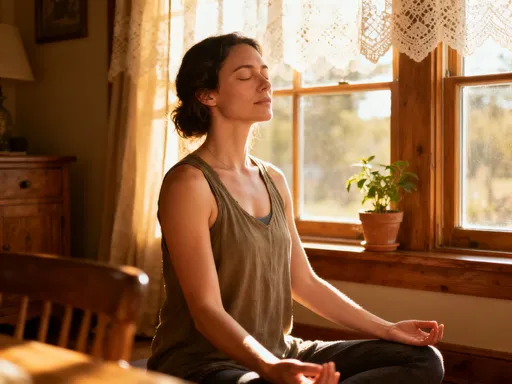
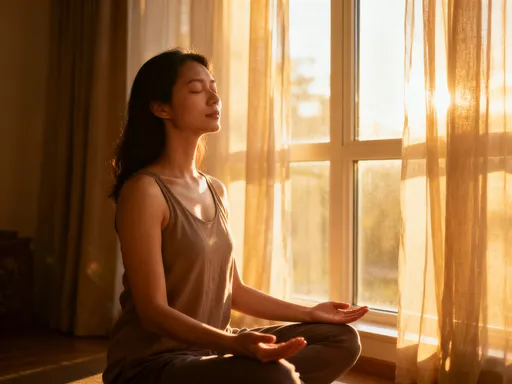
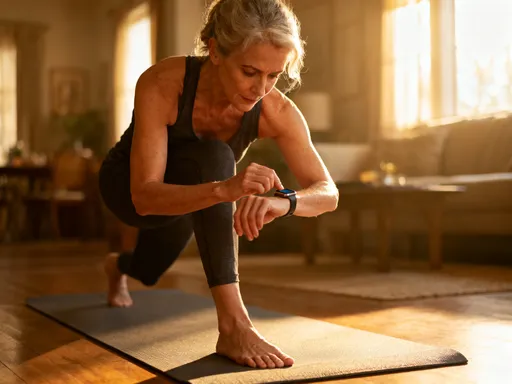
One of the most transformative changes I made was starting the day with a simple, three-minute movement sequence—no mat, no special clothing, no pressure. This routine became my anchor, a way to signal to my body and mind that the day had begun with care. It starts with diaphragmatic breathing: lying on your back or sitting comfortably, placing one hand on the chest and one on the belly, and inhaling deeply through the nose, allowing the abdomen to rise. This activates the parasympathetic nervous system, reducing morning cortisol levels and setting a calm tone for the day. After five slow breaths, I move into cat-cow—a gentle spinal wave performed on hands and knees or even seated. Arching and rounding the back mobilizes the entire spine, releasing tension in the neck, mid-back, and lower back. It also encourages fluid movement between vertebrae, which can become stiff from sleep or inactivity.
Next are shoulder rolls—forward and backward—to awaken the upper body. The shoulders are common sites of tension, especially for women who carry emotional stress or perform repetitive tasks like typing or lifting children. Rolling the shoulders in slow, deliberate circles helps lubricate the joint and release tightness in the trapezius and deltoid muscles. Finally, ankle circles—rotating each foot in both directions—improve circulation and prepare the lower limbs for weight-bearing. These movements may seem minor, but together they create a powerful effect: increased blood flow, enhanced neuromuscular connection, and a greater sense of body awareness. The science behind this is straightforward. Gentle movement stimulates synovial fluid production in the joints, improves oxygen delivery to tissues, and primes the nervous system for coordinated motion. What makes this routine sustainable is its accessibility. It can be done in pajamas, beside the bed, or even while waiting for the coffee to brew. No time is too short, and no space too small. Consistency, not duration, is the key.
Move More, Sit Less: Flexibility in Motion
Modern life is built around sitting—commuting, working, eating, and relaxing are often done in chairs. For women managing households and careers, the cumulative effect of prolonged sitting can be profound. The hips, in particular, are vulnerable. When seated for long periods, the hip flexors shorten, the glutes deactivate, and the spine loses its natural curves. Over time, this contributes to lower back pain, poor posture, and reduced mobility. The hamstrings also tighten, making forward bending uncomfortable. The solution isn’t to eliminate sitting entirely—it’s to interrupt it with frequent micro-movements. The concept of “movement snacking” has gained support in physical therapy and preventive health: short bursts of activity throughout the day can offset the negative effects of sedentary behavior more effectively than a single workout.
A simple strategy is to stand and move every 30 minutes. Set a timer or use natural cues—after sending an email, finishing a phone call, or drinking a glass of water—as reminders to rise. When standing, try a few walking lunges down the hallway, which gently stretch the hip flexors and activate the glutes. Even standing and shifting weight from foot to foot, or performing gentle torso twists, can make a difference. At a desk, seated spinal twists or shoulder blade squeezes can be done discreetly. Another effective technique is habit stacking—pairing a flexibility movement with an existing habit. For example, while waiting for the kettle to boil, perform calf raises or gentle neck stretches. These small actions may feel insignificant in the moment, but over time, they retrain the body to stay supple and responsive. The cumulative effect is improved circulation, reduced stiffness, and greater joint resilience. The goal is not to add more to your to-do list, but to weave movement into the fabric of your day.
The Power of Recovery, Not Just Routine
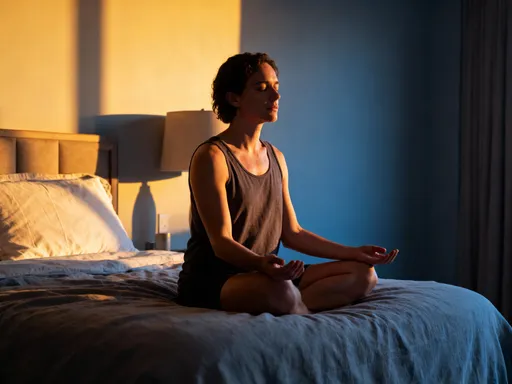
Just as important as morning activation is evening recovery. The body repairs and resets during rest, and gentle movement before bed can enhance this process. Nighttime mobility practices are not about exertion—they are about release. A short wind-down sequence can include supine spinal twists, where you lie on your back and gently drop both knees to one side, supporting the lower back with a pillow if needed. This motion releases tension in the lower back and hips, areas that often carry the load of daily activity. Another helpful practice is nerve gliding—gentle movements that allow nerves to slide smoothly through tissues. For example, a seated sciatic nerve glide involves extending one leg and slowly tilting the head forward and back, creating a subtle stretch along the back of the leg without forcing it. These movements are not about intensity but about signaling safety to the nervous system.
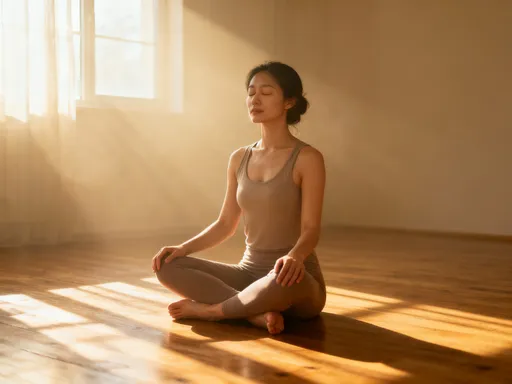
Deep breathing is also a cornerstone of evening recovery. Lying in bed, placing a hand on the belly, and breathing slowly in through the nose and out through the mouth can lower heart rate and prepare the body for sleep. This practice supports vagal tone, which influences relaxation and digestion. Pairing breath with a body scan—mentally checking in with each area from feet to head—can help identify and release residual tension. The environment matters too. Creating a dedicated floor space, even a small corner with a cushion or blanket, signals that this time is for care, not performance. Unlike daytime routines, there’s no need to “achieve” anything. The focus is on presence and release. Women in their 30s to 55s often carry mental and emotional loads that manifest physically. Evening mobility becomes a form of self-honoring, a way to say, “I have done enough today.” This shift in mindset—from striving to receiving—supports not only physical recovery but emotional well-being.
Real Flexibility Means Listening to Your Body
One of the most important lessons in building lasting flexibility is learning to listen to your body. True progress isn’t measured by how far you can stretch, but by how well you move and how you feel. Every body is different—shaped by genetics, lifestyle, past injuries, and daily habits. Comparing your range of motion to someone else’s can lead to frustration or, worse, injury. The goal is not uniformity, but individualized ease. This means paying attention to subtle cues: a slight pinch in the hip, a dull ache in the shoulder, or a feeling of tightness that persists. These are not signs to push harder, but invitations to adjust, soften, or rest. The concept of the “edge” is useful here—the point where you feel a gentle stretch, not pain. Staying at this edge allows the muscle to relax and lengthen over time, rather than resisting due to threat.
Flexibility also fluctuates. Stress, poor sleep, dehydration, or hormonal changes can all affect how your body feels from day to day. A movement that felt easy yesterday might feel restricted today—and that’s normal. Respecting these variations builds self-trust and prevents burnout. It also fosters a deeper connection between mind and body, enhancing overall body awareness. This awareness extends beyond physical sensations to include emotional states. Tension in the jaw, for example, may reflect unspoken stress; tight shoulders may mirror the weight of responsibility. By tuning in, women can respond with compassion rather than criticism. This practice of self-awareness is not passive—it’s an active form of care. It empowers you to make choices that support long-term well-being, whether that means modifying a movement, taking a rest day, or seeking professional guidance when needed.
Building a Sustainable Flexibility Mindset
Ultimately, flexibility is not just a physical quality—it’s a mindset. It’s about cultivating a relationship with your body that is based on respect, patience, and consistency. When we reframe flexibility as self-care rather than punishment, it becomes sustainable. It’s no longer about fixing a flaw or achieving a goal, but about honoring what your body does for you every day. This shift in perspective has ripple effects. Physical ease often leads to mental clarity. When the body moves without pain, the mind feels less burdened. Emotional resilience improves when we feel grounded and capable in our bodies. Women who prioritize gentle, consistent movement often report not just fewer aches, but better sleep, improved mood, and greater confidence in daily activities.
Tracking progress doesn’t have to involve mirrors or measurements. Non-scale victories are often the most meaningful: being able to pick up a toddler without wincing, walking up a flight of stairs without holding the railing, or reaching into a high cabinet without discomfort. These moments reflect real, functional gains. The key is consistency—small efforts, repeated over time, compound into lasting change. You don’t need perfect conditions or large blocks of time. You need only the willingness to begin, again and again. Flexibility is not a destination; it’s a practice. And like any practice, it grows richer with time, patience, and care. By making it a daily win—no gym required—you invest in a future where movement is not a challenge, but a source of joy and freedom.