Taste of the Coast: How Slowing Down Unlocked Goa’s True Flavors
Ever wondered what happens when you skip the tourist traps and let a place really speak to you? I spent three weeks in Goa not chasing sights, but savoring moments—steaming plates of fish curry, early mornings at local markets, and meals shared with families who’ve cooked Konkani food for generations. This isn’t just travel; it’s tasting a culture, one slow, soulful bite at a time. What emerged wasn’t a checklist of destinations, but a deep connection to rhythm, flavor, and human warmth. In a world that glorifies speed, Goa taught me that the most meaningful journeys unfold not in miles, but in moments measured by the simmer of a pot, the crackle of bread in a wood-fired oven, and the laughter around a shared table.
Why Slow Travel Fits Goa Perfectly
Goa’s essence cannot be captured in a day tour or a photo from a crowded beachside shack. Its magic lies in its unhurried pulse, a rhythm shaped by tides, temple bells, and the quiet routines of coastal village life. Unlike destinations built for efficiency and itinerary-packed days, Goa resists the pressure to perform for tourists. Here, life moves with the sun—starting early, slowing at noon, and reviving in the cool of the evening. This natural cadence makes it one of the most intuitive places in India to practice slow travel, a philosophy centered on immersion, presence, and meaningful connection.
The state’s cultural fabric is woven from centuries of layered influences—Konkani roots, Portuguese colonial history, and maritime trade—all of which have shaped not just its architecture and language, but its approach to daily living. In villages like Cavelossim, Curtorim, and Siolim, time feels different. There are no timed entry tickets or fast-track queues. Instead, life unfolds in open courtyards, fishing docks, and neighborhood chapels where rituals follow seasonal cycles rather than digital calendars. When you choose to slow down, you align yourself with this intrinsic rhythm, allowing space to notice details others miss: the way an elderly woman folds banana leaves into serving plates, the call of a fish vendor announcing his catch, or the scent of coconut oil rising from a roadside fryer at dusk.
Moreover, Goa’s geography supports a slower pace. Its coastline stretches over 100 kilometers, dotted with fishing coves, mangrove-lined rivers, and agricultural hinterlands that remain largely untouched by mass tourism. These areas are not designed for quick consumption. To understand them, you must linger. You must return to the same beach at different tides, visit the same market on different days, and build familiarity with local faces. This kind of travel rewards patience. It reveals how food is tied to monsoon patterns, how festivals dictate kitchen rhythms, and how family recipes are guarded like heirlooms. In this context, slow travel is not a luxury—it is the only authentic way to experience Goa.
Travelers who rush through Goa often leave with sunburns and souvenirs but little emotional residue. Those who stay longer, who let the place breathe around them, carry something deeper: a sensory memory of flavor, a renewed appreciation for simplicity, and a quiet understanding that some of the richest experiences require no agenda at all.
Arrival with Intention: Choosing the Right Base
Where you choose to stay in Goa does more than determine your view—it shapes your entire relationship with the place. Many visitors land in North Goa, drawn by the energy of Calangute, Baga, and Anjuna, where neon signs, beach parties, and crowded markets dominate. While these areas offer convenience and entertainment, they often create a buffer between the traveler and authentic Goan life. The food is adapted for foreign palates, interactions are transactional, and the pace mirrors that of a festival rather than a community. For those seeking a deeper connection, a more intentional choice is key.
South Goa presents a different reality. Villages like Palolem, Agonda, and Betul offer a quieter, more grounded experience. Here, guesthouses are often family-run, built with laterite stone and tiled roofs, blending into the landscape rather than towering over it. These accommodations are not just places to sleep—they are gateways. Hosts frequently invite guests to join them for meals, share stories over evening tea, or recommend hidden local eateries that don’t appear on tourist maps. Staying in a homestay in Colva or Rajbag, for example, might mean waking up to the aroma of sannas being steamed in a traditional idli pot, or being handed a plate of freshly fried banana fritters by the host’s mother as she prepares breakfast for her own family.
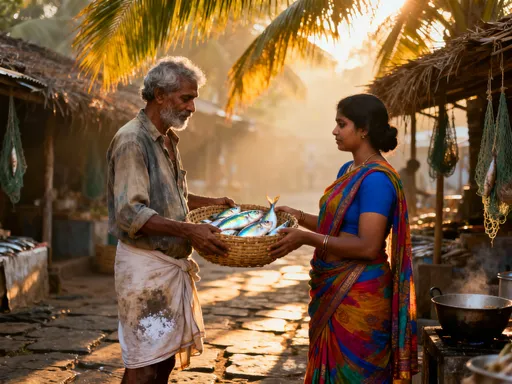
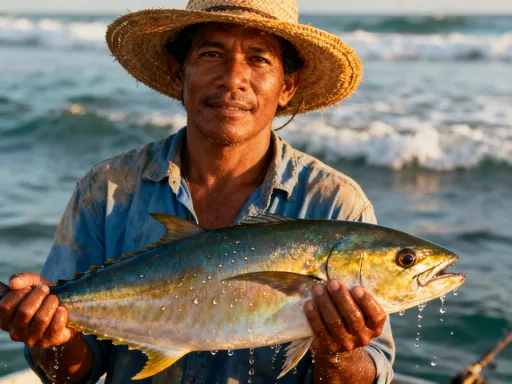
Equally important is proximity to daily life. A base near a working fishing village means you can walk to the beach at dawn and watch boats return with the morning catch. It means you can buy prawns still glistening with seawater, or see how women sort crabs by size before taking them to market. Being close to a local market—like the one in Margao, Goa’s commercial hub—allows you to observe the flow of goods: sacks of rice, bundles of curry leaves, stacks of jackfruit, and pyramids of red onions. These are not curated experiences; they are the real economy of food and community.
Choosing such a base also supports sustainable tourism. Family-run lodgings reinvest income locally, preserve traditional architecture, and foster personal relationships between hosts and guests. Unlike large resorts, which often import staff and supplies, these small establishments rely on neighbors for labor, ingredients, and services. By staying here, you become part of a local ecosystem rather than a transient observer. Your presence has a gentler footprint, and your experience gains depth. When your morning coffee comes with a conversation about monsoon rains and their effect on coconut yields, you begin to see Goa not as a postcard, but as a living, breathing place with its own concerns, rhythms, and wisdom.
Breakfast Like a Local: The Hidden Rhythm of Goan Mornings
To eat like a Goan is to rise with the light. Long before the beach shacks open or the tour buses arrive, life in Goa’s villages is already in motion. By 6:00 a.m., neighborhood ovens are lit, dough is proofing, and fisherfolk are returning with their catch. This is when the true flavor of the day begins—not in restaurants, but in homes, street corners, and open-air kitchens where breakfast is both ritual and sustenance.
The cornerstone of a traditional Goan breakfast is poi, a soft, round bread with a slightly tangy taste from toddy fermentation. Unlike mass-produced loaves, poi is baked in wood-fired clay ovens called tandoors, often by local bakers who have followed the same routine for decades. The bread emerges golden and crisp on the outside, pillowy within, perfect for dipping into rich coconut-based curries or spreading with homemade butter and jaggery. In villages like Assagao and Assonora, families still place daily orders, and children run to collect warm loaves in cloth bags as soon as the oven bell rings.
Another morning favorite is bebinca, a layered dessert often enjoyed during breakfast in Catholic households. Made with coconut milk, eggs, sugar, and ghee, it requires patience—each layer is baked individually before the next is added, a process that can take hours. While often associated with Christmas, many families prepare smaller versions year-round, serving them with strong filter coffee brewed in a stainless steel decoction pot. This coffee, dark and aromatic, is a cultural institution. It’s slow-dripped, sweetened with condensed milk, and served in small glasses that warm the palms.
Visiting a local market at dawn offers a full sensory immersion. The air is cool and carries the scent of damp earth, ripe mangoes, and frying fritters. Vendors arrange baskets of cashews, dried fish, and fresh coriander. Stalls sell choris—spicy Goan sausages—alongside steaming plates of chouriço pão, a breakfast sandwich that combines the sausage with poi. Nearby, elderly women knead dough for neer dosas, thin rice crepes cooked on griddles and served with coconut chutney. These moments are not staged for tourists; they are the unfiltered reality of Goan daily life. To partake is to step into the rhythm of the place, to eat not just with hunger, but with intention and respect.
Street Eats Beyond Feni: Discovering Everyday Goan Flavors
While feni, the local cashew or coconut liquor, often headlines Goa’s culinary identity in travel guides, the true heart of its street food lies in humble, flavorful bites that nourish locals every day. These are not dishes created for Instagram—they are practical, delicious, and deeply rooted in the region’s agricultural and maritime resources. From flaky pastries to fiery chutneys, Goan street food tells the story of a coastal culture shaped by trade, monsoon seasons, and generations of kitchen wisdom.
In the bustling lanes of Mapusa Market, one can find samosas unlike any other in India. Here, the filling often includes spiced potatoes mixed with minced chicken or pork, reflecting the region’s Catholic influences. Fried until golden, they are served with a sharp, tangy chutney made from tamarind, garlic, and green chilies. Nearby, vendors sell pork rolls, a beloved snack consisting of spicy shredded pork tucked into a crusty poi bun. The meat is slow-cooked with vinegar, ginger, and Kashmiri red chili, giving it a deep red hue and complex flavor that lingers on the palate.
Seafood features prominently, too. Along the roadside near Benaulim and Mobor, small stalls fry fresh catch in batter—squid, prawns, and small fish—into crispy bhajis. These are served with a side of lime and a simple onion-cilantro relish. What sets these vendors apart is their commitment to freshness. Many are run by fisher families who cook the same ingredients they sell at the market, ensuring quality and authenticity. Hygiene is often excellent, with clean prep areas and regular turnover of ingredients.
Another standout is patoleo, a steamed rice dumpling filled with a sweet coconut-jaggery mixture and wrapped in turmeric leaves. Traditionally made during festivals like Ganesh Chaturthi, they are now available in select street stalls and home-run food counters. The turmeric leaf imparts a subtle earthy aroma and is believed to aid digestion—a reflection of how Goan cuisine balances pleasure with wellness.
These foods are more than snacks; they are edible history. The use of vinegar and pork points to Portuguese influence, while coconut, rice, and kokum speak to Konkani traditions. Even the cooking methods—slow simmering, fermentation, steaming—reveal a culture that values patience and preservation. When you eat these dishes, you’re not just tasting flavors—you’re engaging with centuries of adaptation, resilience, and community.
Cooking with Locals: Inside a Konkani Home Kitchen
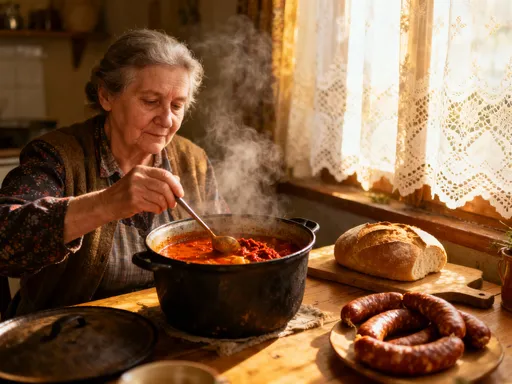
One of the most transformative experiences of slow travel is being invited into a local home to cook. In Goa, this is not a commercialized cooking class, but a genuine act of hospitality. I was welcomed into the kitchen of Mrs. Luzina D’Costa, a 68-year-old homemaker from Loutolim, whose family has lived in the same ancestral house for over a century. Her kitchen, tiled in blue and white, opens to a courtyard where chickens scratch and banana trees sway. There are no modern appliances—just a gas stove, a stone mortar and pestle, and shelves lined with clay pots.
We began with sol kadhi, a cooling drink made from coconut milk and kokum, a sour fruit that thrives in the coastal soil. Mrs. D’Costa showed me how to soak the kokum in warm water, then strain it before blending it with thick coconut milk and a pinch of cumin. The drink, pale pink and slightly tangy, is traditionally served before or after meals to aid digestion. As we worked, she explained how her mother taught her to judge the ripeness of kokum by its color and scent—a knowledge passed down orally, never written.
The main dish was prawn balchão, a fiery, tangy pickle-style curry. She demonstrated how to roast spices—mustard seeds, fenugreek, red chilies—before grinding them into a paste with garlic, ginger, and vinegar. The prawns, still speckled with sand from the morning’s catch, were cleaned and added slowly, then simmered for over an hour. “No shortcuts,” she said. “The flavor builds with time.” This patience is central to Konkani cooking. Unlike fast-cooked dishes, these recipes develop depth through slow infusion, allowing spices to marry and oils to rise to the surface.
As we stirred the pot, she shared stories of monsoon feasts, family weddings, and the decline of traditional foodways among younger generations. “They want quick food,” she said, shaking her head. “But some things cannot be rushed.” Cooking with her was not just about technique—it was a lesson in values: respect for ingredients, reverence for ancestors, and the quiet pride of preserving culture through daily practice. When we sat down to eat, the meal felt sacred, not because it was elaborate, but because every bite carried intention, memory, and care.
Markets as Cultural Hubs: Where Food and Community Meet
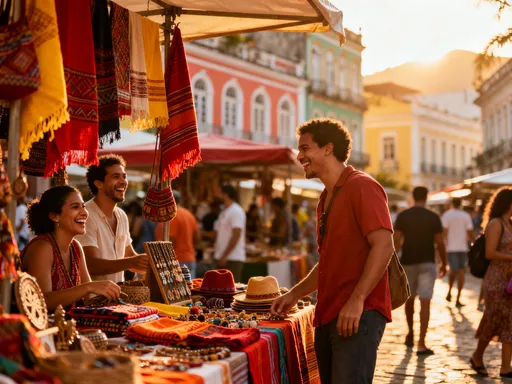
If a kitchen is the heart of a home, a market is the heart of a community. In Goa, nowhere is this more evident than in the Mapusa Market, a sprawling, vibrant bazaar that has operated for generations in the town of Mapusa. Every Friday, farmers, fisherfolk, artisans, and spice traders gather under tin roofs and open skies to sell their wares. This is not a tourist market—it is a working marketplace where Goans come to buy what they need for the week.
Walking through its lanes is an education in regional food culture. One aisle overflows with sacks of red rice, a short-grain variety grown in local paddies, prized for its nutty flavor and ability to withstand long cooking. Next to it, vendors sell dried fish—mackerel, sardines, and shark—hung in rows like laundry, their salty scent sharp in the air. These are staples in Goan households, used in curries and stir-fries, especially during the monsoon when fresh fish is scarce.
Another section is dedicated to spices: towers of turmeric, cumin, coriander, and the famed Goan red chili, which is less fiery than its counterparts but rich in color and depth. Many of these spices are ground fresh to order using electric mills, but some older vendors still use stone grinders, producing a coarser, more aromatic powder. Nearby, pickle makers display jars of mango, lime, and chili pickles, each family guarding their own recipe—some adding jaggery, others using vinegar, all fermented for weeks in the sun.
What makes Mapusa special is its role as a social hub. It’s where neighbors meet, where gossip is exchanged, and where elders teach children the names of vegetables and the price of fish. It’s also deeply seasonal. In summer, stalls overflow with cashew apples and kokum; in monsoon, it’s mushrooms, bamboo shoots, and wild greens. This connection to nature’s cycles reinforces a sustainable mindset—people eat what is available, not what is imported. For the slow traveler, spending time here is invaluable. It offers a window into how food shapes identity, how tradition is maintained, and how community thrives on shared knowledge and mutual support.
From Plate to Perspective: How Food Changed My Goa
When I first arrived in Goa, I saw it through the lens of a typical tourist: beaches, churches, and nightlife. But as I slowed down, cooked with locals, and ate with intention, my perception shifted. Goa became less of a destination and more of a living story—one told in kitchens, markets, and family compounds. The flavors I tasted were not just delicious; they were meaningful. Each meal carried a history, a relationship, a moment of connection.
Slowing down allowed me to see food not as fuel, but as culture in motion. The time it takes to ferment poi, the care in grinding masalas by hand, the patience in simmering a curry for hours—these are acts of preservation. They reflect a worldview that values depth over speed, quality over convenience, and relationships over transactions. In a world increasingly dominated by fast food and instant gratification, Goa offered a quiet rebellion: the idea that some things are worth waiting for.
This shift in perspective changed how I travel. I no longer measure a trip by the number of places I’ve seen, but by the number of people I’ve met, the stories I’ve heard, and the meals I’ve shared. I’ve learned to arrive with curiosity rather than an itinerary, to listen more than I speak, and to let a place reveal itself in its own time. Goa taught me that authenticity is not found in guidebooks, but in the unscripted moments—like being handed a plate of warm sannas by a woman who doesn’t speak my language but smiles as if we’ve known each other for years.
Ultimately, this journey was about more than food. It was about presence. It was about respecting traditions, supporting local economies, and recognizing that every culture has its own rhythm. When you taste a place slowly, you don’t just remember the flavors—you remember the feeling. And that feeling, like a well-cooked curry, lingers long after the plate is empty.