What I Learned Avoiding Tourist Traps in Malaga’s Food Scene
You know that feeling when you're strolling through sunny Malaga, craving something authentically Spanish, but end up with overpriced paella on a postcard-perfect square? Yeah, me too. I thought I was eating local—until I realized I’d been served the same "regional specialty" in three different cities. This is real talk: the charm of Andalusian cuisine is everywhere, but so are the pitfalls. Let me guide you through what to savor—and what to skip. It’s not just about food; it’s about respect for tradition, value for money, and the quiet joy of finding a place where the rhythm of life matches the rhythm of the waves.
First Bite, First Mistake
My journey into Malaga’s true culinary soul began with a misstep—one that many travelers unknowingly repeat. I arrived on a radiant June morning, the kind where the Mediterranean light glistens like liquid gold and the scent of salt and jasmine drifts through the air. Excitement pulsed with every step. I dropped my bag at the hotel, barely took a breath, and followed the crowd toward the historic heart of the city: the Cathedral of the Incarnation and the bustling port. The streets were alive with music, laughter, and the sizzle of garlic in olive oil. How could I go wrong?
There, just steps from the waterfront, stood a restaurant with a red awning, strings of lights overhead, and a menu board advertising "Authentic Andalusian Paella for Only €15!" It looked inviting—too inviting. A man in a crisp white shirt waved me in with a practiced smile. Inside, the walls were adorned with flamenco guitars and vintage photos of bullfighters. I ordered the paella, a glass of local white wine, and a side of patatas bravas. Thirty minutes later, the dish arrived: a flat, dry yellow mass dotted with a few shrimps and chorizo—a version of paella that would make any Valencian chef wince. The wine was sweet and overly chilled. The bravas sauce tasted like ketchup with a hint of spice. I ate it anyway, telling myself it was part of the experience.
It wasn’t until later that I learned the truth: this was not a local haunt but a well-oiled machine designed for tourists. The menu was printed in five languages. The staff rarely spoke to one another in Spanish. The kitchen used pre-cooked rice and frozen seafood. And I wasn’t the only one fooled. Couples, families, even solo travelers with guidebooks in hand—all were served the same reheated dishes under the illusion of authenticity. The trap wasn’t just the food; it was the atmosphere. These places sell nostalgia, not nourishment. They rely on the fact that travelers crave charm, convenience, and comfort, even at the cost of truth.
Decoding the Real Deal: What Is Authentic Malaga Cuisine?
To avoid such disappointments, it helps to understand what authentic Malaga cuisine actually is. Unlike the heavy stews of northern Spain or the rice-centric dishes of Valencia, Andalusian food is light, fresh, and deeply rooted in the sea and the sun. At its heart are a few humble ingredients elevated by generations of care: extra virgin olive oil pressed from local picual olives, plump seafood pulled from the Mediterranean each morning, garlic grown in the fertile hills, and sherry vinegar from nearby Cadiz. These are not just flavors—they are markers of identity.
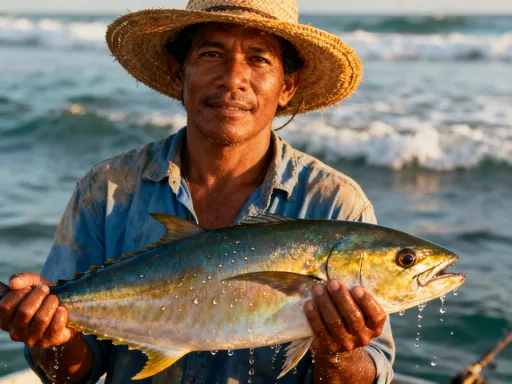
One of the most iconic dishes is espeto de sardinas, a simple yet perfect preparation of sardines skewered on cane stalks and grilled over an open flame along the beach. The fish are fresh, never frozen, and seasoned only with coarse salt. When done right, the skin crisps while the flesh remains moist and rich with ocean flavor. Another staple is ajoblanco, a cold soup made from almonds, garlic, bread, olive oil, and vinegar—creamy, tangy, and refreshing on a hot afternoon. Then there are boquerones en vinagre, delicate white anchovies marinated in vinegar, garlic, and parsley, often served on toothpicks at tapas bars.
These dishes are not invented for menus; they are inherited. Malaga’s food culture carries the imprint of centuries of cultural exchange. The Phoenicians brought fish salting techniques. The Moors introduced almonds, citrus, and spices. The Mediterranean connected the region to trade routes that brought new ingredients and methods. This layered history is still visible in the way food is prepared and shared. A family meal might begin with a small plate of olives and end with a slice of torta de almendra, an almond cake that dates back to convent kitchens.
Knowing these basics helps travelers distinguish real from replica. If a restaurant claims to serve local specialties but lacks these foundational dishes—or presents them with bizarre twists like mango in ajoblanco or cheese on sardines—red flags should go up. Authenticity isn’t about perfection; it’s about respect for tradition. It’s the difference between a dish made with care and one made for capture—meant not to feed but to photograph.
The Tourist Trap Blueprint: How Restaurants Fool You
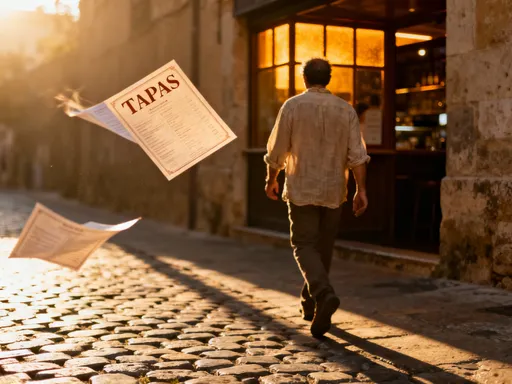
Tourist traps in Malaga aren’t always obvious. Some are cleverly disguised as charming neighborhood spots, complete with rustic decor and friendly staff. But there are patterns—reliable signs that a restaurant prioritizes profit over provenance. The first is the menu itself. If it’s laminated, printed in multiple languages, and filled with glossy photos of every dish, proceed with caution. Authentic tapas bars rarely use photos. Their menus are often handwritten on chalkboards, changing daily based on what’s fresh.
Another red flag is the presence of sidewalk greeters—men in polo shirts who stand outside calling out to passersby. In genuine local establishments, you won’t find hosts recruiting customers like carnival barkers. These hired promoters are trained to appeal to tourists’ desires: "Best paella in Malaga!" "English menu available!" But their promises often mask poor quality. Similarly, be wary of places offering "English specials" or "international cuisine" alongside traditional Spanish dishes. While fusion can be delightful, it’s rare in true neighborhood eateries. Most family-run bars focus on a tight, seasonal menu.
Then there’s the menú turístico—the tourist menu. On the surface, it seems like a bargain: a three-course meal with drink for €15. But dig deeper. The soup might be canned, the meat tough and reheated, the dessert a pre-packaged flan. These set menus are designed for volume, not flavor. They allow kitchens to serve dozens of identical meals quickly, often using frozen or low-cost ingredients. The result? A meal that’s cheap to produce but overpriced for what it delivers.
Location is another tell. Restaurants within 100 meters of major landmarks—the cathedral, the port, the Picasso Museum—are under less pressure to earn loyalty. They know foot traffic will bring new customers every day. In contrast, authentic spots are often tucked away in residential streets, where repeat business depends on quality. I once visited a highly rated restaurant just off the Muelle Heredia dock. The view was stunning, the service polished. But when I asked the waiter what he’d recommend, he hesitated and said, "The mixed seafood platter—it’s popular." When I asked where the fish came from, he smiled and changed the subject. Later, I noticed a freezer unit behind the bar. That was my last meal there.
Where the Locals Eat: Finding Hidden Gems
The secret to finding real food in Malaga isn’t in guidebooks or top-ten lists—it’s in observation. Locals don’t flock to the same places tourists do. They eat in neighborhoods where life unfolds at a slower pace: Pedregalejo, a seaside district with a promenade lined with chiringuitos; Huelin, a working-class area with family-run tapas bars; and La Trinidad, a quiet residential zone with hidden ventas and corner taverns.
In Pedregalejo, the real magic happens at beachside shacks where fish are grilled over open fires as waves lap nearby. These chiringuitos are informal—plastic chairs, paper menus, no websites. But the food is exceptional. I remember one evening at a small place called El Candilejo, where the owner brought out a platter of sardines without me ordering. "We just got them," he said with a grin. "Best eaten now." There was no menu, no prices listed—just trust. I paid what felt fair, and it was one of the most honest meals I’ve ever had.
Another clue is the clientele. If a place is filled with older Spanish men sharing tapas and wine, laughing loudly at 10 PM, you’re in the right spot. Young families, local couples, people arguing about football—these are signs of authenticity. Tourist-heavy restaurants tend to be quieter, with isolated tables and hushed conversations. Also, look for daily chalkboard menus. These indicate that the kitchen works with what’s fresh and in season, not with a fixed inventory.
Don’t be intimidated by small spaces or limited English. Many of the best places have no online presence. They rely on word of mouth. A simple smile and a polite "¿Qué recomienda?" (What do you recommend?) go a long way. Most owners are proud of their food and happy to guide you. One woman at a tiny bar in Huelin pointed to a dish I didn’t recognize—chanquetes fritos, tiny fried fish—then mimed how to eat them: whole, with fingers, and a squeeze of lemon. It was messy, delicious, and unforgettable.
Timing Matters: When to Eat Like a Malagueño
One of the biggest cultural shocks for visitors is the Spanish dining schedule. In many countries, dinner starts at 6 or 7 PM. In Malaga, it often doesn’t begin until 9 or 10 PM. Lunch, too, is late—typically between 2 and 4 PM. This rhythm affects not just when you eat, but what you eat and how it’s prepared.
I learned this the hard way. On my second day, eager and hungry, I arrived at a well-reviewed tapas bar at 7:30 PM. The place was nearly empty. I ordered the grilled octopus and a local beer. When the dish came, the octopus was rubbery, the potatoes lukewarm. The bartender later admitted they hadn’t expected customers yet—the kitchen staff had just arrived. Many places in Malaga don’t fully open until 8:30 or 9, especially on weekdays. Arriving too early means you’re likely to get pre-cooked or reheated food.
Conversely, showing up at the right time increases your chances of fresh, made-to-order dishes. At 9 PM, the kitchen is warm, the staff alert, the ingredients just prepped. The energy is different—lively, confident, unhurried. I began adjusting my schedule, taking long afternoon walks or siestas, then heading out around 8:30. The difference was immediate. Food tasted better. Service felt more personal. Even the wine seemed to flow more freely.
There’s also a social clue: if a place is quiet before 9, it’s not necessarily bad—it’s just on Malaga time. Rather than forcing an early meal, use the hour to explore, sip a vermouth at a quiet bar, or enjoy a stroll along the Paseo del Parque. When you finally sit down to eat, you’ll be in sync with the city’s rhythm. And that alignment—between your body clock and the local culture—makes the meal feel like belonging, not just consumption.
Language, Gestures, and Confidence: Navigating the Experience
You don’t need fluent Spanish to eat well in Malaga. What you do need is confidence and a willingness to engage. A few simple phrases can open doors. "¿Qué recomienda hoy?" (What do you recommend today?) is more powerful than any translation app. It shows respect. It invites connection. Most owners will light up, point to a dish, and describe it with animated hands.
When language fails, gestures work. Pointing at what someone else is eating, miming a grilling motion, or simply raising your eyebrows in question can get you what you want. I once saw a traveler at a market stall hold up two fingers, then tap his stomach and smile. The vendor laughed, handed him two empanadillas, and said, "Buena elección." It wasn’t elegant, but it was human. That’s the spirit of Spanish dining—warm, inclusive, forgiving of mistakes.
Observing local behavior also helps. Watch how others order. In many tapas bars, you don’t sit and hand over a menu. You stand at the counter, point, and pay after. Some places offer free tapas with drinks—a tradition that’s still alive in certain bars. If you see locals getting small plates with their wine, follow suit. If everyone is eating standing up, don’t insist on a table.
Most importantly, don’t fear making a mistake. Ordering the wrong thing, mispronouncing a dish, or eating with the wrong utensil won’t offend anyone. Spaniards appreciate the effort. They understand that food is a bridge, not a test. One evening, I accidentally ordered four tapas for myself, thinking they were full dishes. The server noticed, smiled, and said, "¿Solo para ti?" I nodded, embarrassed. He laughed, brought smaller portions, and added a free glass of fino. "Para aprender," he said. "To learn."
Smart Strategies for a Flavor-Full Trip
While spontaneity is part of the joy, a little strategy goes a long way. Start with apps like Google Maps or TripAdvisor—but read between the lines. Look for reviews in Spanish. A flood of five-star ratings in English with identical phrasing might be suspicious. Genuine praise is often mixed, specific, and includes small complaints: "Great tortillitas, but the service was slow." Also, check photos uploaded by visitors. If every picture shows the same three dishes under perfect lighting, it might be staged.
Use maps to explore beyond the center. Zoom out. Look for clusters of small bars in residential zones. These are often where locals eat. I discovered a gem in La Trinidad by following a cluster of 4.8-star ratings within two blocks. The place had no website, no English menu, but an overwhelming number of photos of families sharing seafood. I went in, pointed at a dish, and had one of the best meals of my trip: grilled octopus with smoked paprika and a salad of oranges and fennel.
Balance research with instinct. If a place feels warm, busy, and unpolished, trust it. If the owner greets you like a neighbor, even briefly, that’s a good sign. Build your own tapas crawl: choose three or four small bars within walking distance, order one or two dishes at each, and savor slowly. This isn’t about quantity; it’s about variety and presence. It’s also kinder to your stomach—and your wallet.
Finally, support small businesses. Buy from market vendors, family-run inns, and seasonal chiringuitos. These places keep Malaga’s food culture alive. They don’t have marketing budgets or influencers. They rely on consistency, pride, and community. When you eat at a small venta in the hills or a beach shack with no chairs, you’re not just eating—you’re participating in a tradition.
Conclusion
Eating in Malaga isn’t just about avoiding bad meals—it’s about connecting with a culture through its flavors. The real joy isn’t in ticking off famous spots, but in discovering a sizzling sardine skewer at a beachside shack where the owner knows everyone by name. It’s in the moment you order a dish you can’t pronounce, eat it with your hands, and realize you’ve stumbled into something true.
Travel smarter, eat slower, and let the city reveal itself one honest bite at a time. Learn the signs of authenticity. Respect the rhythm of local life. Step off the main streets and into the neighborhoods where life unfolds without performance. Ask for recommendations. Laugh at your mistakes. Share a bottle of wine with strangers at the bar.
Because in the end, food is more than fuel. In Malaga, it’s memory, identity, and hospitality wrapped in olive oil and sea salt. Your taste buds will thank you—but so will your heart.