You Won’t Believe These Iconic Mumbai Buildings – Culture Lives Here
Mumbai isn’t just India’s financial heartbeat—it’s a living museum of architectural soul. Wandering its streets, I was stunned by how colonial-era landmarks and modern icons tell stories of resilience, faith, and identity. From the Gateway of India to hidden Art Deco gems, each structure pulses with cultural meaning. This city doesn’t just build—it expresses. Let me take you through the landmarks that define Mumbai’s spirit. Here, history isn’t confined to books; it’s etched into stone, reflected in stained glass, and echoed in the footsteps of millions who pass through these spaces every day. Mumbai’s buildings are not merely shelters—they are storytellers.
The Gateway of India: Where History Meets the Sea
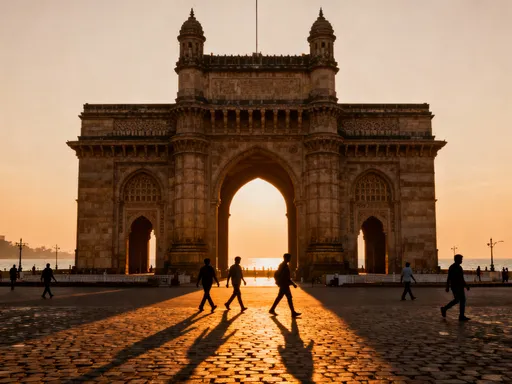
Rising from the waterfront at Apollo Bunder, the Gateway of India stands as one of Mumbai’s most photographed and deeply symbolic structures. Completed in 1924, this grand arch was originally conceived to welcome King George V during his 1911 visit—a moment that underscored British imperial pride. Built in the Indo-Saracenic style, it blends Islamic, Indian, and European architectural elements with remarkable harmony. Its central dome, flanked by four turrets and detailed with intricate latticework and bas-relief carvings, evokes the grandeur of Mughal mosques while asserting colonial authority. Yet, over time, the meaning of the Gateway transformed. In 1948, it became the site from which the last British troops departed India, turning a symbol of empire into one of national liberation.
Today, the Gateway is more than a monument—it’s a living public space. Families gather here at sunset, children fly kites along the promenade, and boat vendors offer rides to Elephanta Island, where ancient rock-cut temples await. The sound of seagulls mingles with street musicians playing harmoniums, creating a sensory tapestry unique to this corner of the city. The surrounding area buzzes with energy, yet within the arch’s shadow, there’s a quiet reverence, as if visitors instinctively recognize they’re standing at a threshold of history. The monument’s location, facing the Arabian Sea, enhances its poetic resonance: a gateway not just to Mumbai, but to the layered past that shaped it.
For travelers, visiting the Gateway offers both visual splendor and historical depth. Early morning visits reveal the structure bathed in soft golden light, ideal for photography, while evenings bring a festive atmosphere with food carts and performers. Security is visible but unobtrusive, ensuring safety without diminishing the open, inclusive feel of the space. Nearby, the Taj Mahal Palace Hotel—another architectural gem—adds to the area’s grandeur, its dome mirroring the Gateway’s silhouette across the water. Together, they form a skyline that speaks of continuity and change, power and humility, all coexisting in stone and memory.
Chhatrapati Shivaji Maharaj Terminus: A Cathedral of Movement
Just a short distance inland, Chhatrapati Shivaji Maharaj Terminus (CSMT), formerly known as Victoria Terminus, rises like a cathedral dedicated not to prayer, but to movement. Completed in 1887 to commemorate Queen Victoria’s Golden Jubilee, this UNESCO World Heritage Site is a masterpiece of Victorian Gothic Revival architecture fused with Indian craftsmanship. Designed by British architect F.W. Stevens, the building features a central dome, turrets, pointed arches, and an elaborate façade teeming with sculptural details. Carved stone figures of British rulers once adorned its exterior, but today, Indian motifs dominate—peacocks, lotuses, and native flora woven seamlessly into the stonework, reflecting the city’s reclaiming of its own narrative.
Inside, the station is a symphony of controlled chaos. Thousands of commuters stream across its marble floors daily, weaving through ticket counters, newspaper stands, and tea vendors. Yet, amid the rush, one cannot help but notice the soaring ceilings, stained-glass windows depicting railway history, and the ornate clock tower that keeps time with quiet dignity. The iron-and-glass roof structure, inspired by London’s St Pancras Station, allows natural light to flood the concourse, illuminating the intricate woodwork and brass fixtures. Every detail, from the bat-shaped rainwater spouts to the lion statues guarding staircases, was handcrafted by Indian artisans, making CSMT not just a transport hub, but a monument to collaborative artistry.
What makes CSMT truly remarkable is how it functions as both a working railway station and a cultural landmark. Local trains depart every few minutes, connecting suburbs to the city center, yet the building itself remains a destination. Tourists pause to photograph its façade, students sketch its arches, and photographers capture its play of light and shadow at golden hour. The station’s resilience is symbolic—having survived fires, floods, and the pressures of urban growth, it continues to serve as the pulsing heart of Mumbai’s daily rhythm. To stand within its halls is to witness history in motion, where every footstep echoes the aspirations of a city that never stops moving forward.
The Art Deco Along Marine Drive: Glamour in Concrete
Stretching along the western coastline, Marine Drive is more than a scenic boulevard—it’s a testament to Mumbai’s embrace of modernity in the early 20th century. Lined with over sixty Art Deco buildings from the 1930s and 1940s, this curved promenade offers one of the world’s most concentrated collections of this architectural style outside Miami. These pastel-hued apartment blocks, with their streamlined curves, geometric patterns, and nautical motifs, reflect a time when Mumbai aspired to be a cosmopolitan global city. Inspired by international trends yet adapted to local climate and lifestyle, the buildings feature sunbreakers, open balconies, and ventilation shafts designed to combat the city’s heat and humidity.
Walking along Marine Drive at dusk, when the streetlights flicker on and the Arabian Sea glows orange, one feels transported to a golden age of elegance. The buildings, painted in soft pinks, mint greens, and buttery yellows, exude a quiet sophistication. Many still house middle-class families, their lives unfolding behind louvered windows and potted plant balconies. This continuity—where heritage architecture remains part of everyday life—sets Mumbai apart from cities where historic buildings are preserved as museums. Here, residents live within history, maintaining its legacy through daily use and care.
Notable examples include the Eros Cinema building, with its striking vertical sign and streamlined façade, and the Rivoli Theatre, which once hosted premieres of Indian and international films. These structures are not relics; they are active participants in the city’s cultural life. Preservation efforts led by local architects and civic groups have ensured that many buildings retain their original features, even as new developments rise nearby. In 2018, UNESCO recognized the Oval Maidan area, adjacent to Marine Drive, as part of a transnational serial nomination for Art Deco heritage, further cementing Mumbai’s place on the global architectural map. For visitors, a stroll along Marine Drive offers more than a view—it’s an invitation to appreciate how style, function, and heritage can coexist in harmony.
Crawford Market: Where Commerce and Culture Collide
Nestled in South Mumbai, Crawford Market is a 19th-century marketplace that pulses with life, color, and an intoxicating blend of scents. Opened in 1869 and named after Arthur Crawford, the city’s first municipal commissioner, the building is an outstanding example of Victorian Gothic architecture with strong Indian influences. Constructed from local blue basalt and red Kharod stone, its façade is adorned with carved stone animals—bears, crocodiles, elephants, and bulls—symbolizing the diverse wildlife of the subcontinent. The central clock tower, which chimes every hour, rises above a bustling courtyard where vendors sell everything from mangoes and marigolds to parakeets and pottery.
Stepping inside is like entering a living archive of urban commerce. The high ceilings, supported by cast-iron columns, allow air to circulate freely, a practical design solution for pre-air-conditioning times. Sunlight filters through skylights, illuminating rows of fruit stalls piled high with jackfruit, lychees, and pomegranates. The air hums with bargaining—shopkeepers calling out prices, customers haggling with practiced ease, children darting between baskets. Yet, amid the noise, there’s an underlying order, a rhythm passed down through generations of traders who treat the market not just as a workplace, but as a community.
Crawford Market is also a sanctuary for pet lovers and bird enthusiasts. Sections dedicated to caged birds, rabbits, and even tropical fish reflect a deep-rooted tradition of domestic animal keeping in Indian households. While animal welfare concerns have prompted discussions about regulation, the market remains a cultural touchstone, preserving customs that might otherwise fade in a modernizing city. Restoration efforts in recent years have repaired structural damage and improved sanitation, ensuring the building remains functional without losing its historic charm. For visitors, a visit here is not passive observation—it’s participation in a living ritual where architecture, economy, and tradition converge.
Haji Ali Dargah: Faith Rising from the Sea
Emerging from the waves like a vision, Haji Ali Dargah is one of Mumbai’s most spiritually and architecturally significant sites. This white marble mosque and shrine, dedicated to the Sufi saint Pir Haji Ali Shah Bukhari, sits at the end of a 500-meter causeway that submerges during high tide, creating the illusion that the structure floats on water. Built in the 15th century and later renovated in the 19th, the dargah combines Indo-Islamic architecture with Persian influences. Its central dome, flanked by four smaller domes and a minaret, glows in the sunlight, while intricate floral carvings and Quranic inscriptions adorn its walls.
Accessible only when the tide recedes, the journey to the dargah is part of its spiritual symbolism. Visitors—men and women alike—walk the narrow pathway barefoot, a gesture of humility and devotion. The atmosphere inside is one of serene reverence. Devotees offer chadors (ceremonial cloths), light incense, and whisper prayers, their voices blending with the sound of waves. Though rooted in the Muslim community, the dargah welcomes people of all faiths, embodying the inclusive spirit that defines much of Mumbai’s religious landscape. Festivals like Urs, commemorating the saint’s death anniversary, draw thousands in colorful processions, filling the air with devotional music and communal joy.
From an architectural standpoint, Haji Ali is a marvel of coastal engineering and aesthetic balance. The use of white marble reflects heat and enhances the building’s ethereal appearance, while the placement on the causeway maximizes natural ventilation. Despite urban development pressures, the dargah trust has maintained the site’s sanctity and structural integrity. Environmental challenges, such as rising sea levels and pollution, have prompted conservation efforts to protect this fragile landmark. For visitors, a trip to Haji Ali is not just sightseeing—it’s an experience of faith, beauty, and the enduring connection between land, water, and spirit.
National Gallery of Modern Art: Culture in a Heritage Shell
Perched near Nariman Point, overlooking the Arabian Sea, the National Gallery of Modern Art (NGMA) resides in a former palace that once belonged to the Maharaja of Baroda. Built in the early 20th century, this Indo-Saracenic structure features high ceilings, teak wood floors, arched verandas, and ornate chandeliers—elements that speak to the opulence of the Raj era. Today, it serves a new purpose: housing India’s premier collection of modern and contemporary art. The building itself is a bridge between past and present, where colonial-era grandeur provides the backdrop for bold artistic expressions from the 19th century to today.
Inside, the gallery unfolds across spacious halls and sunlit courtyards. Exhibitions rotate regularly, showcasing works by pioneers like Amrita Sher-Gil, M.F. Husain, and Tyeb Mehta, as well as emerging artists exploring identity, urbanization, and environmental change. Natural light filters through stained-glass panels and tall windows, enhancing the viewing experience without overwhelming the artworks. The central courtyard, with its fountain and tropical plants, offers a contemplative space where visitors can reflect on what they’ve seen. Benches are placed strategically, encouraging quiet engagement rather than hurried viewing.
What sets NGMA apart is its commitment to accessibility and education. Free entry on certain days, guided tours, and interactive workshops make art approachable for families, students, and first-time visitors. School groups often fill the halls, their laughter echoing softly as they learn about color theory or sculpture techniques. The gallery also hosts lectures and film screenings, fostering dialogue between artists, scholars, and the public. In a city where space is at a premium, NGMA stands as a sanctuary for creativity and critical thought. It proves that heritage buildings, when thoughtfully repurposed, can become vital cultural hubs that serve both memory and innovation.
Conclusion: Mumbai’s Buildings Are Its Soul
Together, these landmarks form more than a skyline—they form a narrative. Each structure, whether religious, civic, or commercial, carries cultural DNA passed through generations. The Gateway of India speaks of empire and emancipation. Chhatrapati Shivaji Maharaj Terminus embodies the fusion of function and artistry. Marine Drive’s Art Deco facades reflect a city’s dream of modern elegance. Crawford Market keeps the rhythm of daily life alive. Haji Ali Dargah rises as a beacon of faith and unity. And the National Gallery of Modern Art transforms royal grandeur into a platform for creative dialogue.
Mumbai’s architecture is not static; it is lived in, walked through, and loved by millions. These buildings are not preserved behind glass—they are part of the city’s breath, its heartbeat, its identity. They remind us that culture is not only found in museums or festivals, but in the very spaces we inhabit. In a fast-changing metropolis where skyscrapers rise every year, these landmarks stand as guardians of heritage, inviting us to look, learn, and connect.
For travelers, understanding Mumbai through its buildings offers a deeper, more meaningful experience. It shifts the focus from mere sightseeing to storytelling—from seeing a monument to feeling its significance. As you walk these streets, pause beneath an arch, touch a carved stone, or sit in a sunlit courtyard. Listen to the whispers of history, the hum of devotion, the laughter of children playing where emperors once walked. In these moments, you don’t just visit Mumbai—you begin to understand it. And in that understanding, you discover that the soul of a city is not in its size or speed, but in the stories its buildings choose to tell.